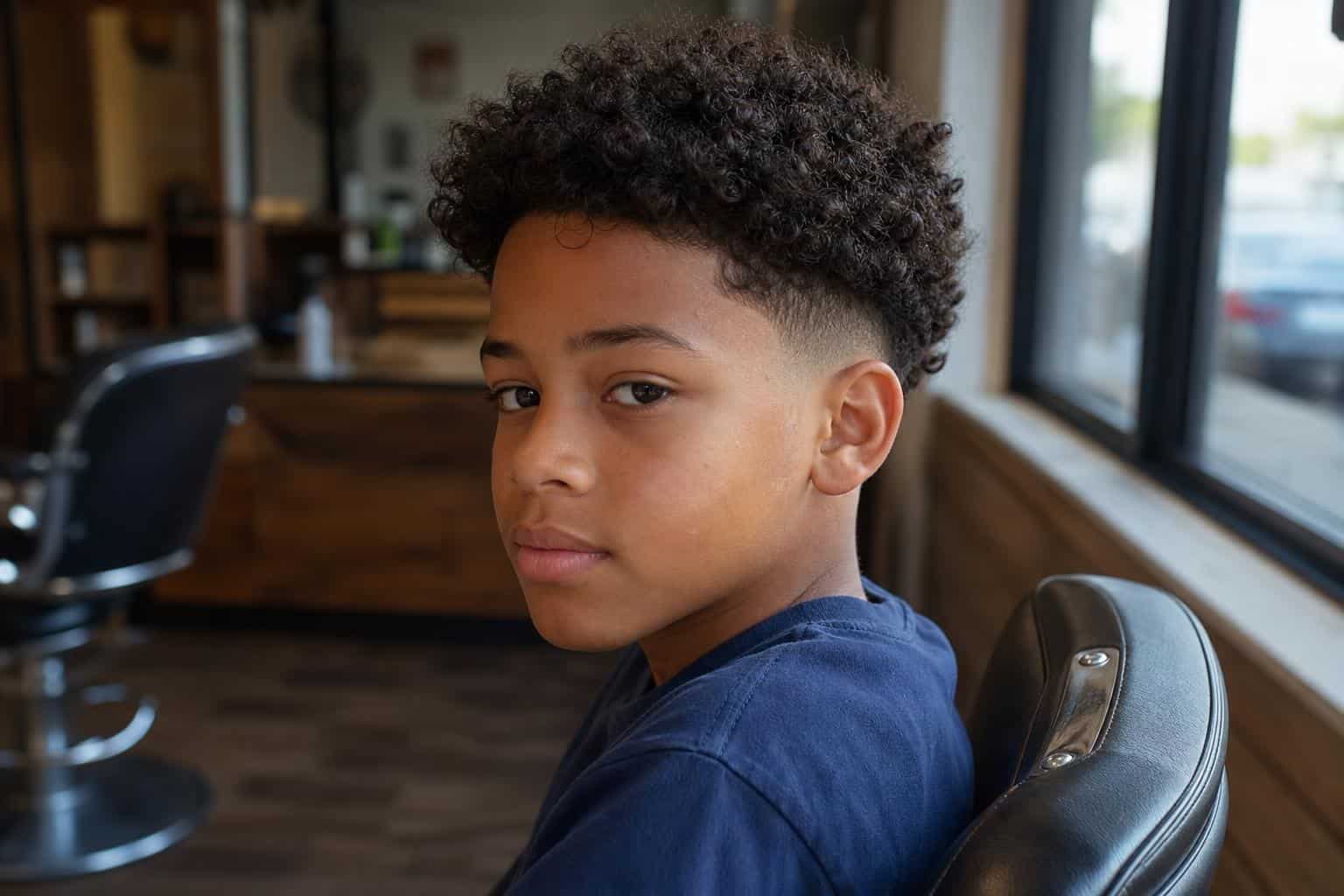
Boys with curly hair have an incredible advantage when it comes to standout haircuts, but the key lies in choosing styles that work with their natural texture rather than fighting against it. From sharp fades that showcase tight coils to longer free-form styles that celebrate volume, the right cut can make morning routines easier while keeping your child looking confident and fresh. This guide breaks down ten proven haircuts across different lengths and curl patterns, plus the practical maintenance tips that make each style actually work in real life.
Understanding Curly Hair Before the Cut
How curl pattern affects haircut choice
Not all curls behave the same way under scissors, and understanding your child’s specific curl pattern makes the difference between a haircut that grows out beautifully and one that becomes a battle. Looser care routine for 2C waves tends to respond well to layered cuts that prevent triangle shapes, while tighter 3B and 3C curls benefit from weight and strategic length to control volume. Type 4 coils, especially 4A through 4C, often look best with cuts that embrace their natural shrinkage rather than trying to elongate artificially.
The curl pattern also determines how much length you’ll actually see. A child with 3A curls might retain 70-80% of their hair length when dry, while 4C coils can shrink up to 75% from their stretched length. This means a four-inch cut on stretched 4C hair might appear as a one-inch afro when dry. A skilled stylist accounts for this when cutting, working with the hair in its natural state rather than stretching it out.
Working with shrinkage and density
Shrinkage isn’t a problem to solve but a characteristic to plan around. Boys with high-density, tightly coiled hair often do best with cuts that remove some bulk from the interior while maintaining length on the exterior, creating shape without losing the protective benefits of length. Low-density curls, on the other hand, benefit from cuts that maximize the appearance of fullness through strategic layering and maintaining moisture-rich styling routines with products like daily leave-in products.
Density also affects how often trims are needed. Fine, loose curls may need shape-up trims every 6-8 weeks to prevent stringy ends, while dense, coily hair can often go 10-12 weeks between cuts. The texture’s natural protective structure means less exposure to split ends compared to straight hair, especially when maintained with gentle techniques.

Finding a curl-savvy barber or stylist
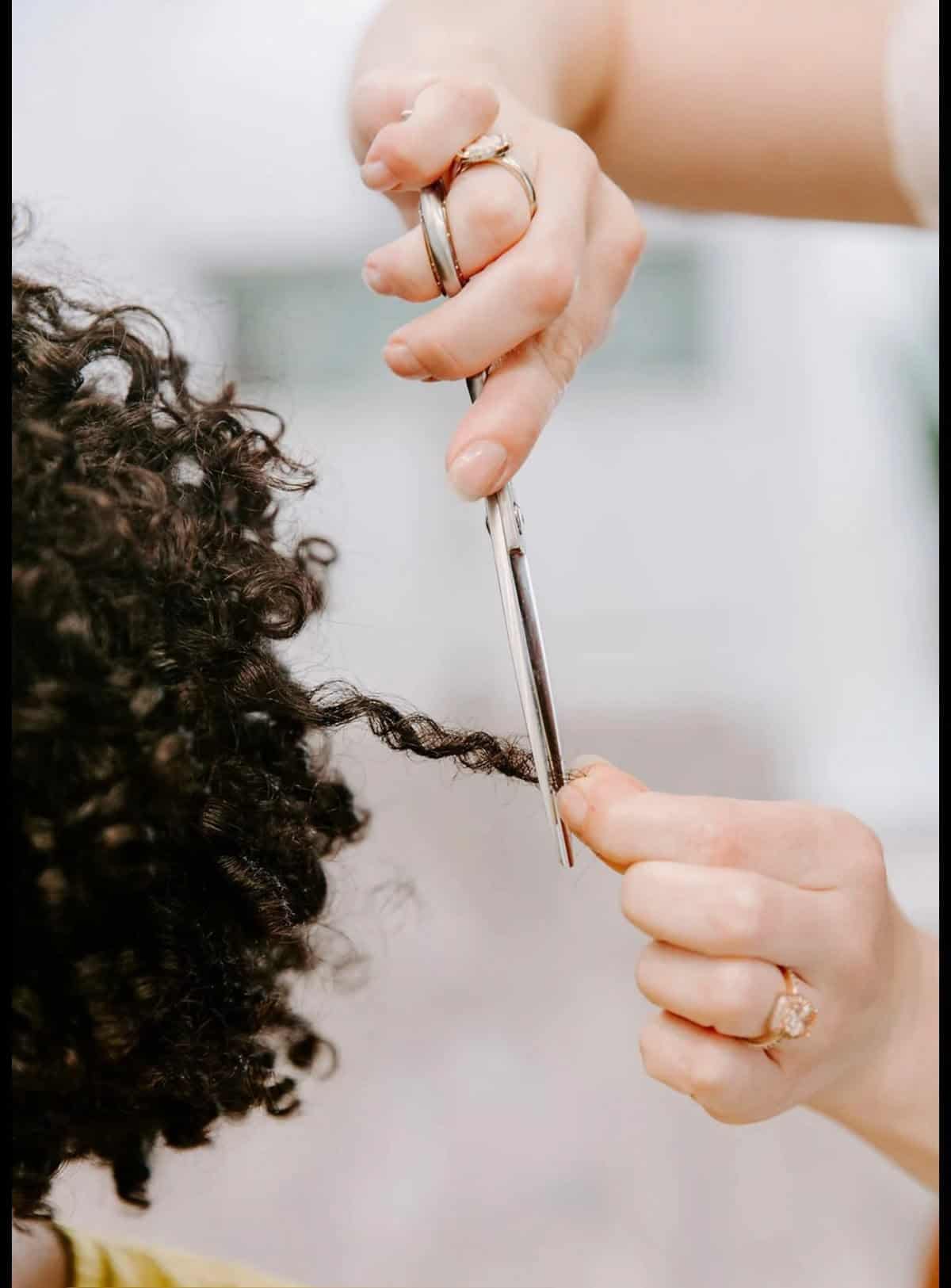
This step matters more than the specific cut you choose. A barber who understands curly hair will cut it dry or damp (never soaking wet), work with the natural curl pattern rather than brushing it out, and use techniques like twist-cutting or curl-by-curl trimming for coily textures. Ask potential stylists specific questions: Do they cut curls dry? How do they handle shrinkage? Can they show examples of curly cuts they’ve done on children with similar hair types?
Red flags include stylists who insist on cutting curly hair wet and straight, use thinning shears aggressively on type 4 hair (which can cause frizz and breakage), or seem uncomfortable working with natural texture. According to dermatologist-recommended hair care for textured hair, finding a professional who specializes in your child’s hair type reduces the risk of damage and ensures healthier outcomes long-term.
Short & Structured: Fades and Tapers
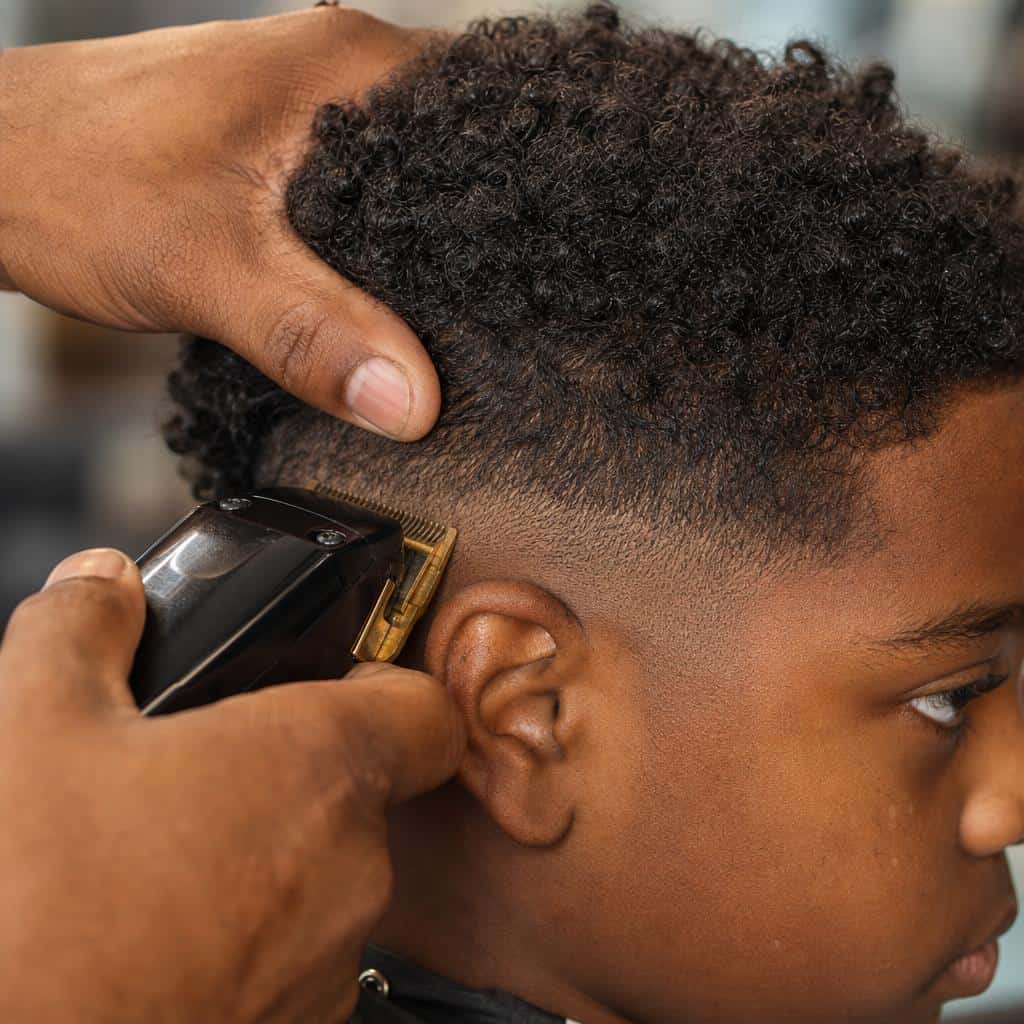
Low fade with curly top
The low fade keeps things conservative around the ears and neckline while letting 2-4 inches of curls shine on top. This cut works beautifully across curl types from 2C to 4C because the fade provides clean structure while the natural texture adds personality. The gradual blend typically starts about an inch above the ear, making it school-appropriate and parent-approved while still looking current.
Styling a low fade is straightforward: apply a curl-defining mousse to damp hair on top, scrunch gently, and let it air-dry or diffuse. The faded sides require almost no maintenance between barber visits, but the top needs moisture. A quick spritz of water and leave-in conditioner in the morning reactivates the curls without a full wash.

High fade with textured curls
The high fade creates maximum contrast, with the fade starting at or above the temple and leaving substantial length (3-5 inches) on top. This cut makes a bold statement and works especially well for boys with dense, coily hair who want to show off their texture. The dramatic difference between the close-cut sides and full curls on top creates natural dimension that photographs incredibly well.
Maintenance requires commitment to the top section. Regular moisturizing with leave-in products and occasional sulfate-free cleansers keeps the curls defined and healthy. The high fade itself needs touch-ups every 2-3 weeks to maintain the sharp line, so factor barbershop visits into your schedule and budget.
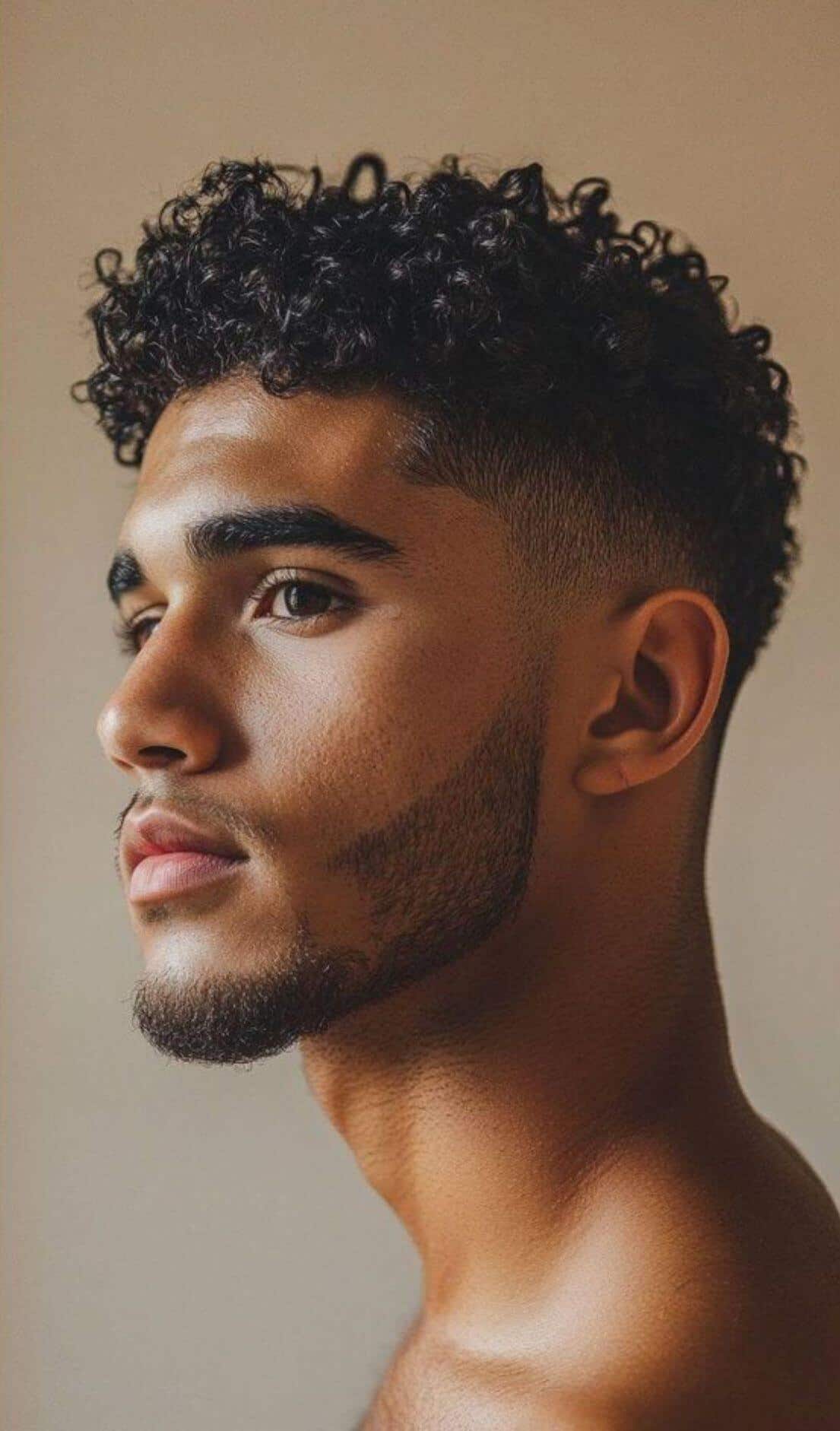
Taper fade with natural definition
More gradual than a traditional fade, the taper creates a subtle transition from longer hair on top to shorter hair around the perimeter. This cut suits conservative environments while still celebrating natural texture. It works across all curl types but really shines on boys with styling ideas for 3A curls that have enough definition to create visual interest without additional styling products.
The taper requires less frequent maintenance than sharper fades, typically needing professional attention every 4-6 weeks. Between cuts, focus on keeping the curls moisturized and defined with a simple routine of water, leave-in conditioner, and light gel or cream. The gradual taper means grow-out looks intentional rather than unkempt.
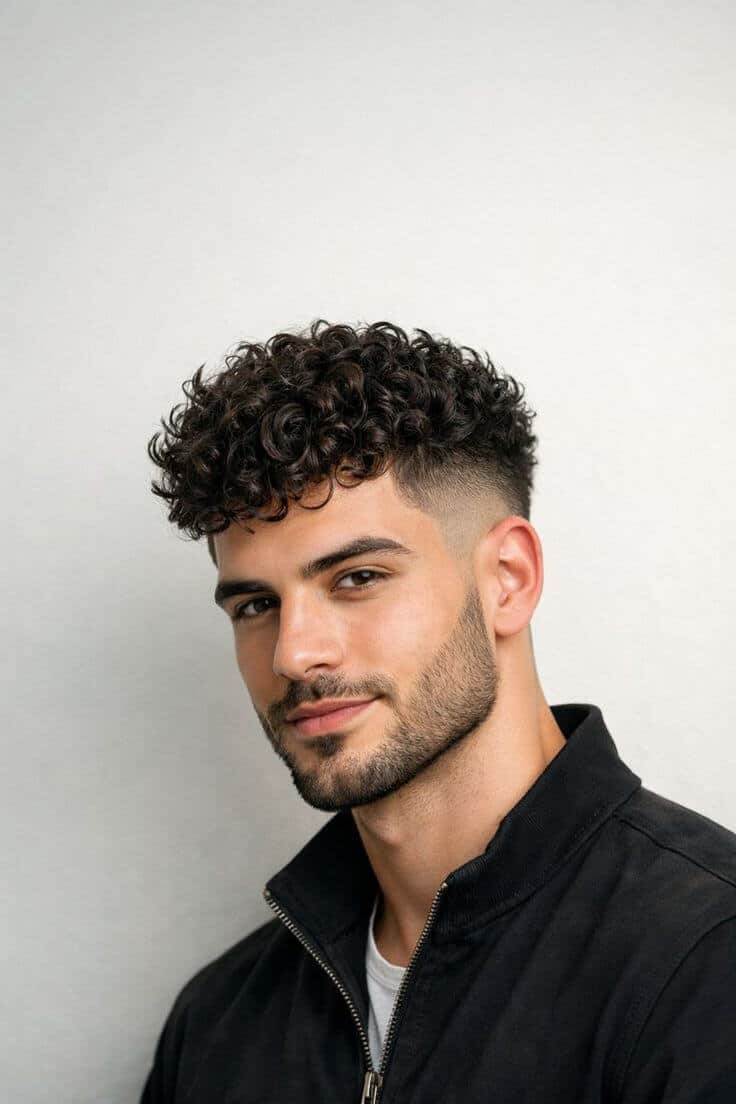
Temp fade with volume on top
The temple fade (or temp fade) focuses the shortest part specifically around the temples and front hairline, creating a clean frame for the face while keeping length everywhere else. This style gained popularity in urban barbering communities and works phenomenally well with naturally voluminous hairstyle options for 4A hair that benefits from structure around the face.
Styling involves encouraging the natural volume on top through proper moisture balance. Over-moisturizing can weigh down the roots, while under-moisturizing leads to frizz. Find the sweet spot with lightweight leave-ins and mousses that define without flattening. The temp fade itself is low-maintenance, but keeping the line crisp requires visits every 3-4 weeks.
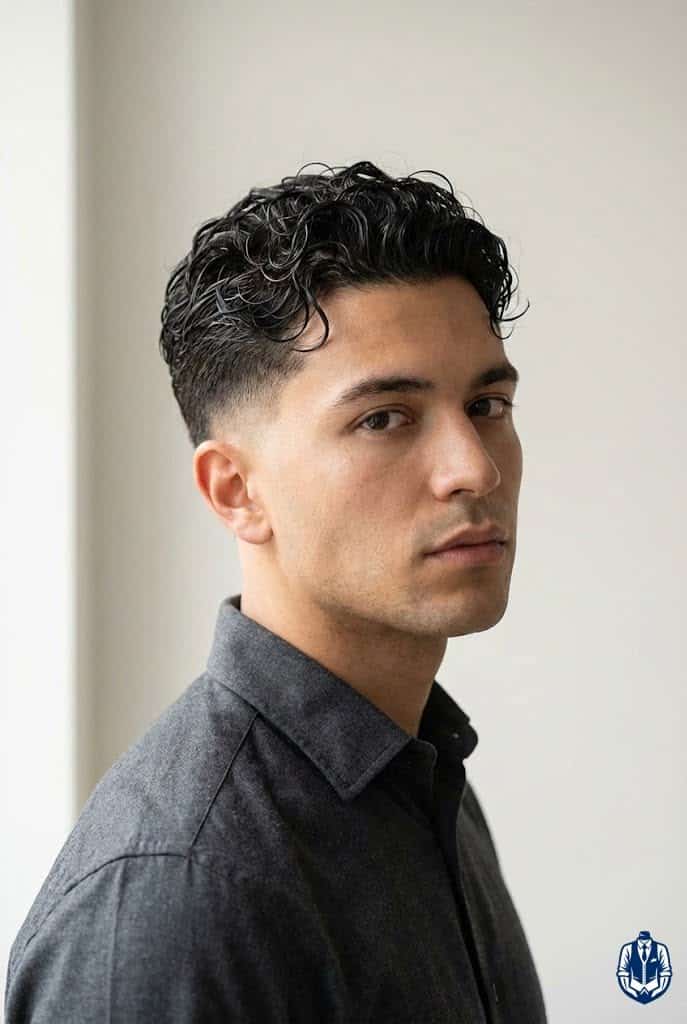
Medium-Length Textured Cuts
Curly fringe with short sides
This modern cut features 3-4 inches of length in the front, styled forward into a textured fringe, with shorter (but not faded) sides. It works particularly well for boys with looser curl patterns (2B through 3B) who want a contemporary look without the maintenance of a fade. The fringe can be worn casually tousled or more deliberately styled depending on the occasion.
The key to this cut is ensuring the fringe length suits the curl pattern. Tighter curls need more length to achieve the forward movement, while looser waves can create the fringe effect with less length. Morning styling takes under five minutes: dampen the fringe area, apply a small amount of curl cream, and either scrunch for texture or gently push forward for a more deliberate fringe shape.
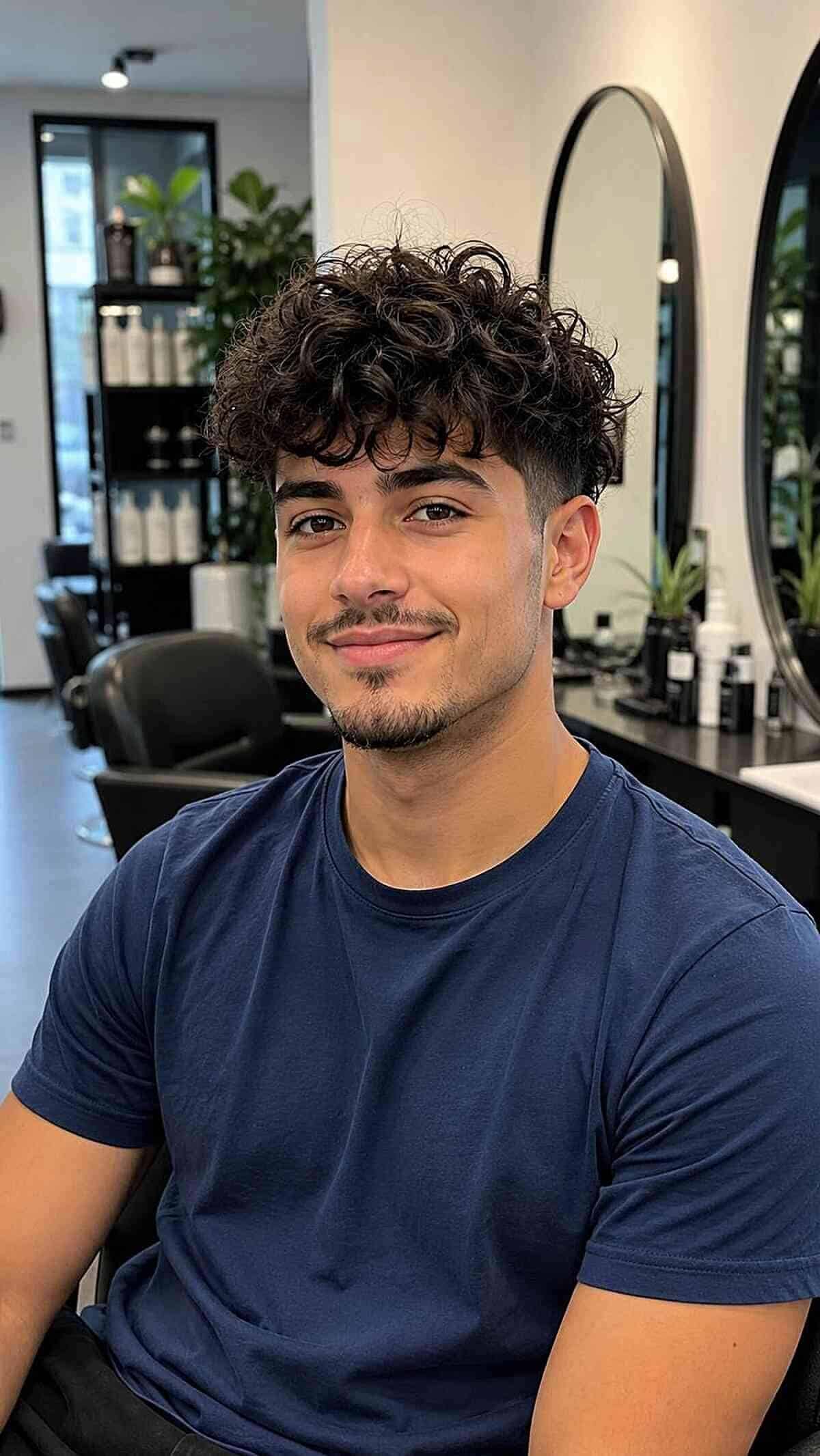
Textured crop for loose curls
The textured crop keeps everything relatively short (1.5 to 3 inches throughout) but uses strategic layering to create movement and prevent the boxy look that can happen with blunt cuts on wavy to loosely curly hair. This cut is incredibly practical for active boys because it requires minimal styling while still looking intentional and put-together.
Maintenance is refreshingly simple. A quick wash every 2-3 days with appropriate products, followed by scrunching in a lightweight styling product, creates definition that lasts. The crop grows out gracefully, typically looking good for 6-8 weeks before needing a trim. Between cuts, focus on scalp health and hydration rather than complex styling routines.
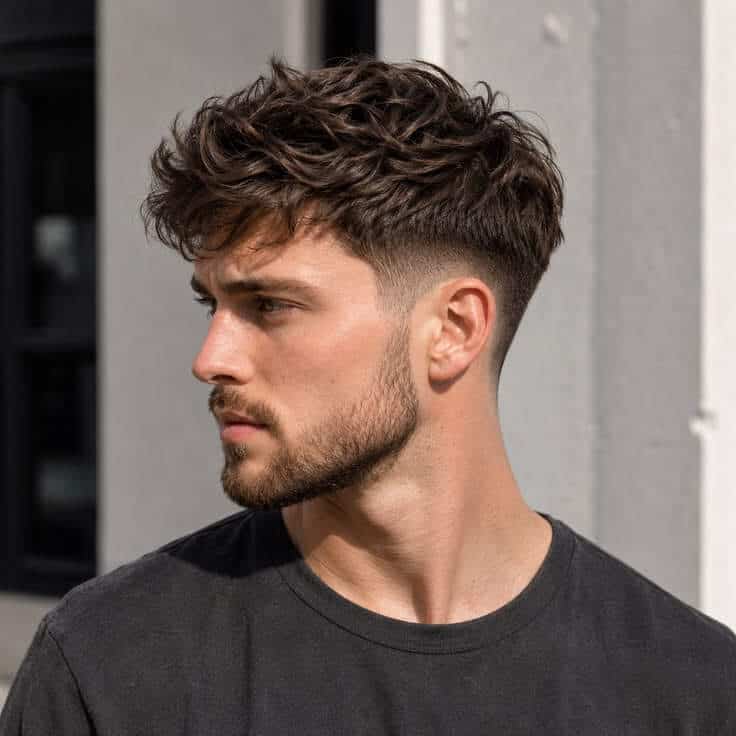
Side-swept curls with undercut
This cut creates dramatic contrast with closely trimmed or shaved sides and back (the undercut) while keeping 4-6 inches of length on top, styled to sweep to one side. The undercut reduces overall hair volume while the longer top section maintains the personality of natural curls. It works across curl types but looks particularly striking on boys with 3A through 4A curls that have enough definition to create clear curl clumps when styled directionally.
Styling requires establishing the side part and training the curls to fall in the desired direction. Apply styling products while the hair is very wet, use your fingers to create the part, and then either air-dry or diffuse while encouraging the side-swept direction. The undercut portion needs regular maintenance (every 3-4 weeks) to keep the contrast sharp, but the top can go longer between trims.
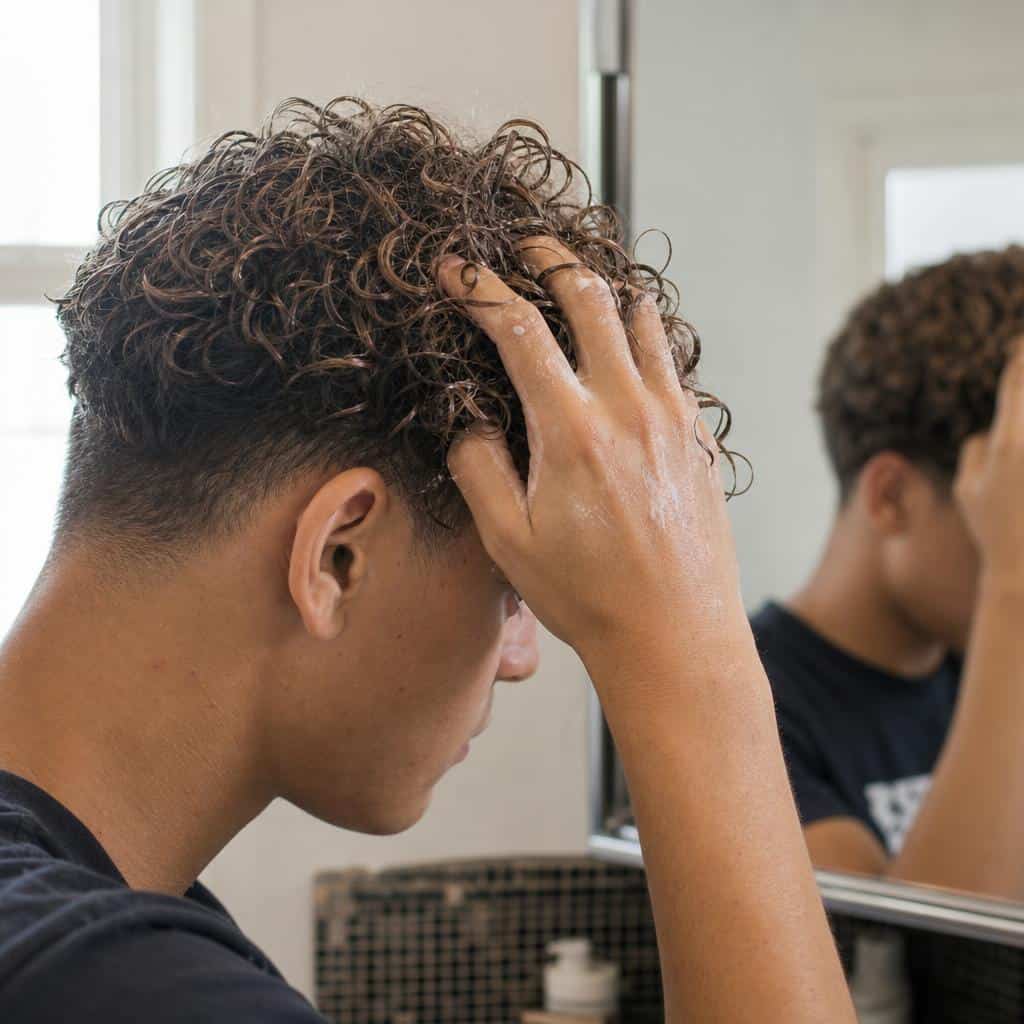
Longer & Free-Form Styles
Full curly afro
The classic afro celebrates natural texture in its most unstructured form. This cut works with the hair’s natural growth pattern, trimming only to create an even, rounded shape while maintaining significant length (typically 3-6 inches of stretched length depending on the child’s age and preference). The afro looks stunning on styling approaches for 4C hair and other type 4 textures that naturally grow out rather than down.
According to professional styling advice for boys’ curly haircuts, maintaining an afro’s shape requires regular moisture and careful detangling. Use a wide-tooth comb or pick to gently shape the afro after moisturizing, working from ends to roots. Trimming every 8-12 weeks removes any unevenness and maintains the rounded silhouette. The afro requires commitment to moisture and gentle handling but offers unmatched versatility for creative expression.
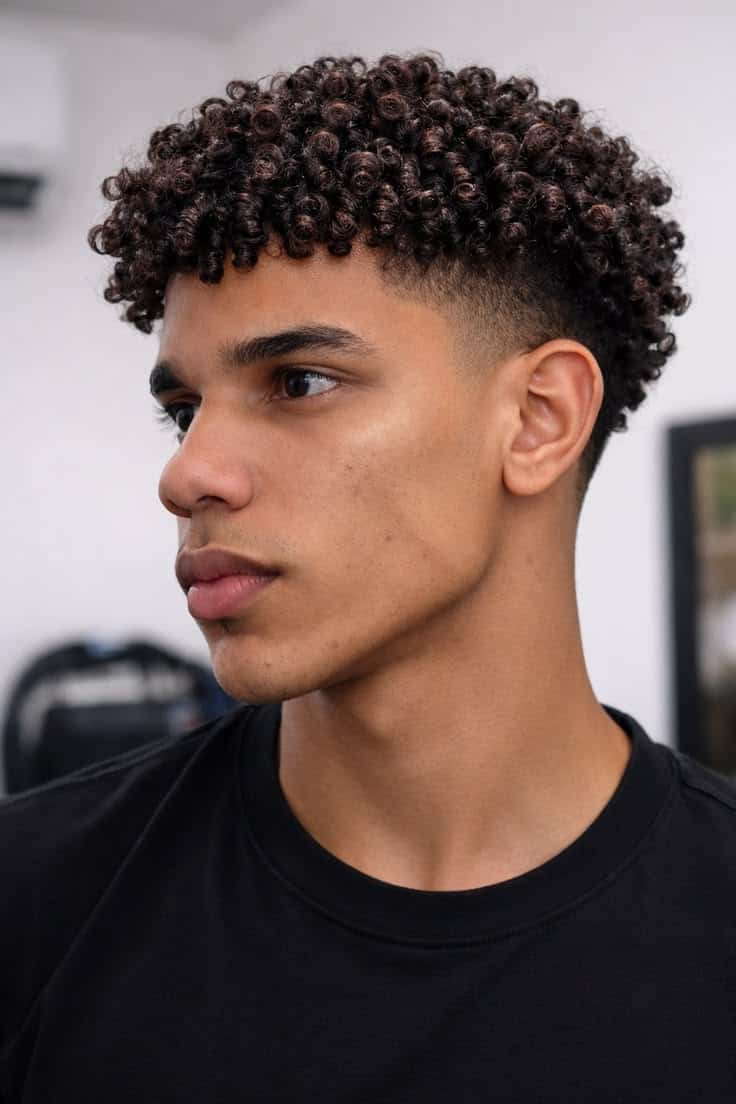
Shoulder-length curls with shape
Longer curls (extending past the ears when pulled) require strategic layering to prevent pyramid shapes and maintain movement. This cut works beautifully on boys with 2C through 3C curl patterns who want to grow their hair out while keeping it looking intentional rather than simply neglected. Layers throughout create dimension, while face-framing pieces can be customized to suit facial structure.
The maintenance commitment increases with length. Regular deep conditioning treatments, protective styling at night (satin bonnets or pillowcases), and gentle detangling become non-negotiable. However, many boys with longer curls find that once they establish a routine, the daily maintenance is actually simpler than shorter cuts that require frequent restyling. The hair can often be refreshed with water and leave-in rather than completely rewashed.

Long top with shaved designs
This creative option combines significant length on top (4-7 inches) with closely shaved or faded sides that feature line designs, patterns, or shapes. The artistic element makes this cut popular among older boys and teens who want to express individuality. The contrast between the creative designs and natural curly texture creates a striking, memorable look.
Styling focuses on maintaining healthy, well-defined curls on top while keeping the design sharp. The curly section needs regular moisture and definition, while the shaved design requires touch-ups every 1-2 weeks to maintain clarity. This is definitely the highest-maintenance option on this list, but for boys who love the creative expression, the time investment is worth it. Work with a barber who specializes in both textured hair and design work for best results.
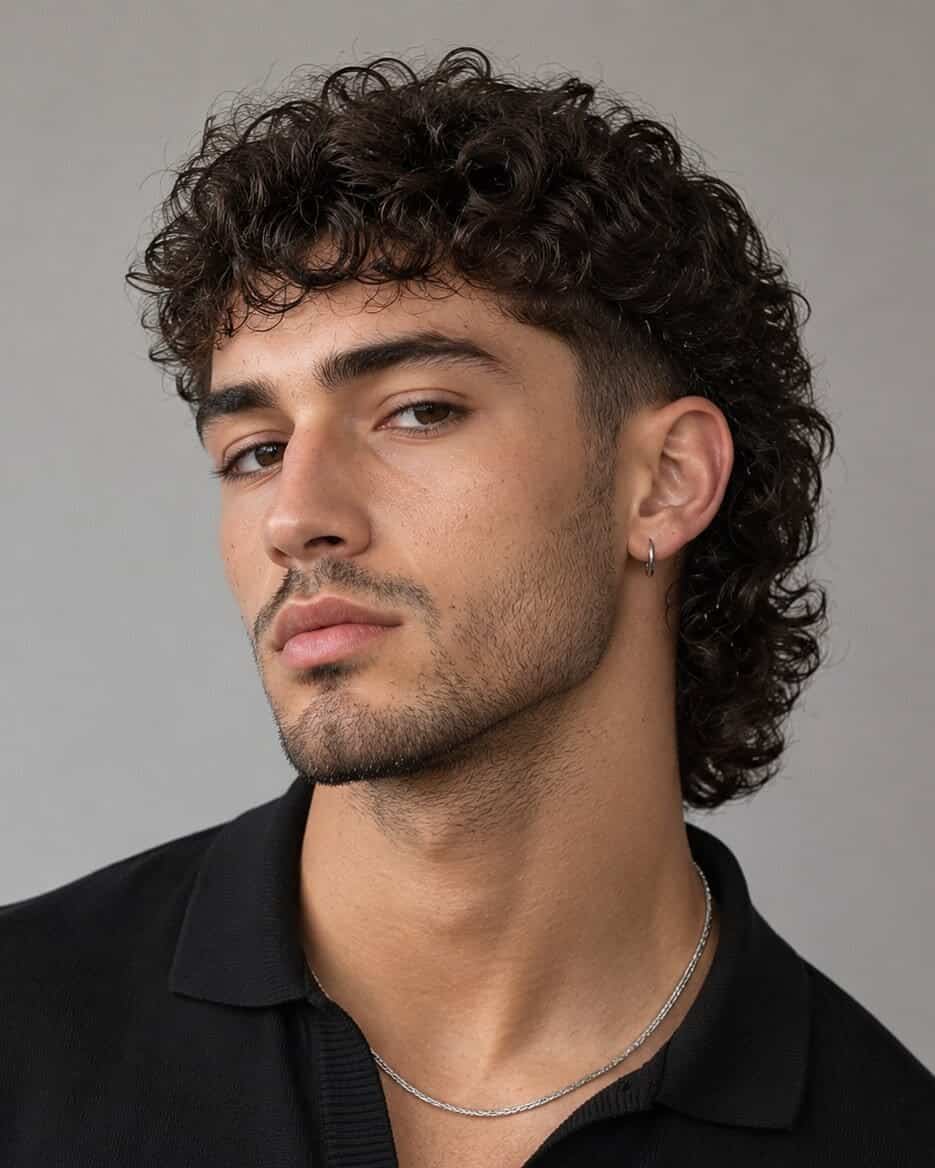
Daily Maintenance & Styling Tips
Product essentials for boys’ curly cuts
Keep the product lineup simple but effective. For most boys’ curly cuts, you need just three core products: a gentle, sulfate-free shampoo for weekly or bi-weekly cleansing, a hydrating leave-in formula for daily moisture, and one styling product (mousse, gel, or cream) appropriate for their curl pattern and desired hold level.
Younger children with shorter cuts can often get away with just leave-in conditioner and water for daily refreshing, adding a styling product only for special occasions. As cuts get longer or more structured, the styling product becomes more important for maintaining definition and controlling frizz. Choose products without harsh alcohols, sulfates, or heavy silicones that can build up and weigh down curls over time.
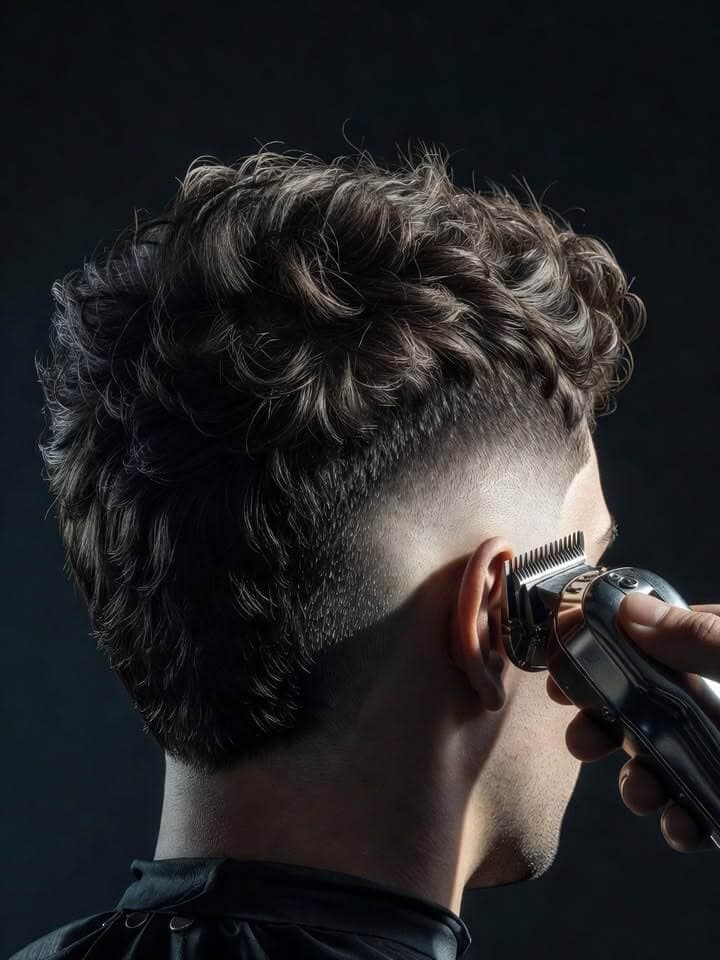
Refresh techniques between washes
Most curly cuts look best when washed only 1-2 times per week, with refreshing on the in-between days. The basic refresh method works across curl types: lightly dampen the hair with water from a spray bottle, apply a small amount of leave-in conditioner, and scrunch or shake to reactivate the curl pattern. For boys with fades or tapers, focus the refresh on the curly section and leave the faded parts alone.
For second or third-day hair that needs more help, try the “steam refresh”: run a hot shower to create steam in the bathroom, bring your child in (without getting in the shower), and let the steam gently rehydrate the curls. Follow with a small amount of product and gentle scrunching. This technique works especially well for tighter curl patterns that respond to humidity.
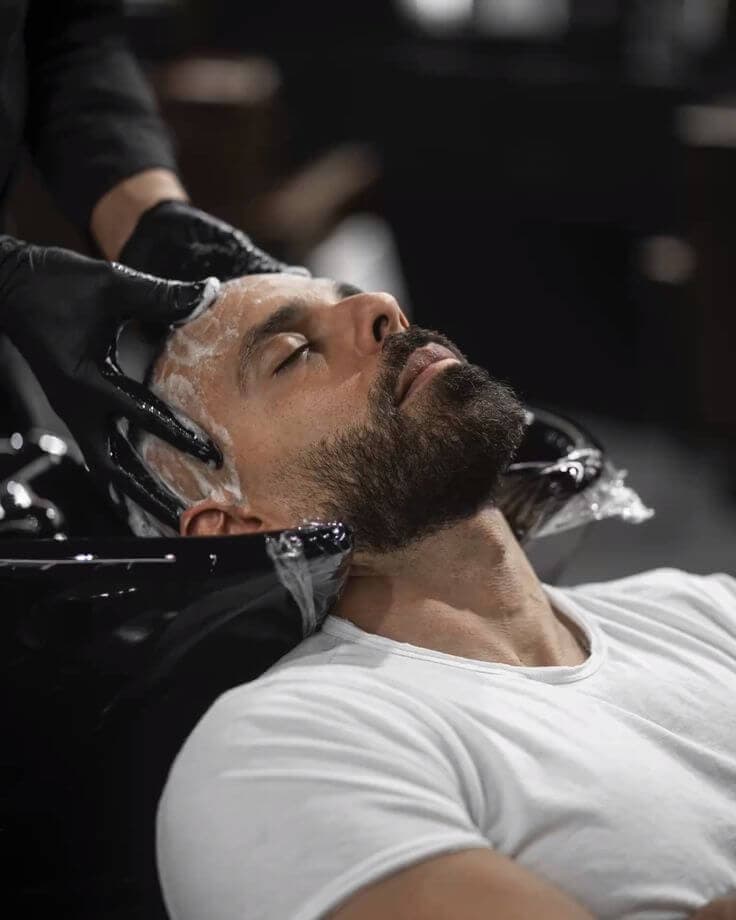
How often to trim based on curl type
Wavy to loose curly hair (types 2B through 3A) typically needs trims every 6-8 weeks to maintain shape and remove any damage from environmental factors. These curl patterns are more prone to visible split ends, so regular trims keep the hair looking healthy and defined.
Medium to tight curls (types 3B through 4A) can often extend to 8-10 weeks between trims, especially when well-moisturized and protected. The tighter curl pattern naturally hides split ends better, and the hair’s structure provides more inherent protection. Very tight coils (4B and 4C) can sometimes go 10-12 weeks between shape-up trims, though boys with faded sides will need those touched up more frequently (every 2-4 weeks) even if the curly top doesn’t require cutting.
Night routine to preserve the cut
The difference between waking up with great curls and waking up with flattened, frizzy hair often comes down to nighttime protection. For boys with shorter cuts (under 3 inches), a satin or silk pillowcase is usually sufficient to reduce friction and frizz overnight. This simple swap prevents the cotton from roughing up the hair cuticle and absorbing moisture.
For medium to long curls, add a satin bonnet or durag to the routine. Yes, it might feel awkward at first, but after a few nights it becomes automatic, and the morning results speak for themselves. Apply a tiny amount of leave-in or curl refresher before covering, focusing on any areas that tend to flatten. Boys with picked-out afros can loosely re-pick before bed and cover with a large satin bonnet to maintain the shape overnight. This small evening investment cuts morning styling time significantly and keeps the cut looking fresh between barber visits.

Frequently Asked Questions
What’s the best first haircut for a toddler with curly hair?
Keep it simple with a basic shape-up that evens out the length without removing too much hair. Many toddlers have fine, developing curls that will change texture as they grow, so avoid dramatic cuts until the permanent curl pattern emerges around age 2-4. Focus on trimming any uneven areas and creating a gentle, rounded shape. Most importantly, choose a patient stylist experienced with young children who can make the first cut a positive experience.
Should curly hair be cut wet or dry?
Curly hair should always be cut dry or barely damp so the stylist can see the natural curl pattern and how each section will spring up after cutting. Cutting curly hair wet and stretched often results in unexpected shortness and unevenness once it dries and shrinks. Professional curl specialists typically cut completely dry, working with the hair’s natural state to create the most accurate shape.
How do I prevent my son’s curly fade from looking messy as it grows out?
Schedule regular fade touch-ups every 2-3 weeks to maintain the clean line, even if the top doesn’t need cutting. Between appointments, keep the curly top well-moisturized and defined with appropriate products. A quick edge-up at home using clippers (if you’re comfortable) can extend professional visits slightly, though be conservative and stick to obvious cleanup areas rather than attempting to recreate the fade itself.
Can you thin out thick curly hair to make it more manageable?
Thinning should be done very strategically and sparingly on curly hair. For wavy to loose curly patterns, careful interior layering can reduce bulk without creating frizz. For coily hair (type 4), traditional thinning shears often cause more problems than they solve, creating frizz and disrupting curl clumps. Instead, work with a curl specialist who can remove weight through technique-based cutting methods rather than thinning shears, preserving the integrity of the curl pattern while reducing volume where needed.
Conclusion
The right haircut transforms curly hair from something that feels challenging to manage into a defining feature your child can feel genuinely confident about. Whether you choose a sharp fade that combines structure with natural texture, a medium-length cut that balances easy maintenance with style, or a longer free-form look that celebrates curl pattern in its fullest expression, success comes down to working with the hair’s natural characteristics rather than against them. The practical reality is that curly haircuts for boys require finding a skilled stylist who understands texture, establishing a simple but consistent care routine, and choosing a style that fits your family’s actual time and maintenance capacity.
Start by identifying your child’s curl pattern and finding a barber or stylist who specializes in cutting hair like theirs, then choose one of these ten cuts based on your lifestyle and their preferences. Focus on building that basic three-product routine (gentle shampoo, leave-in conditioner, and one styling product), and remember that the goal isn’t perfection but healthy, well-maintained hair that makes mornings easier and helps your child feel great about their natural texture.